
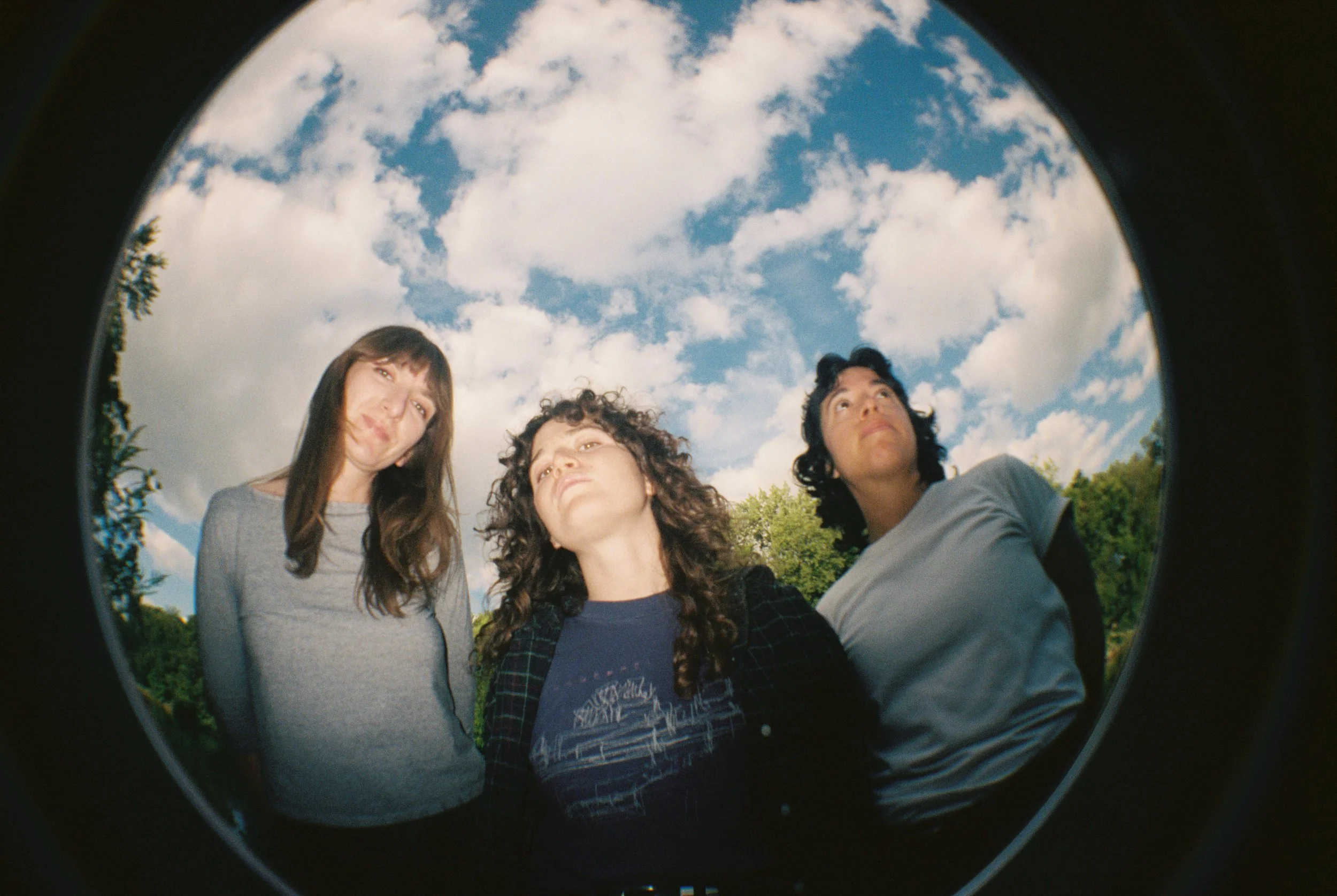
Casual conversation as the sun sets over western ave
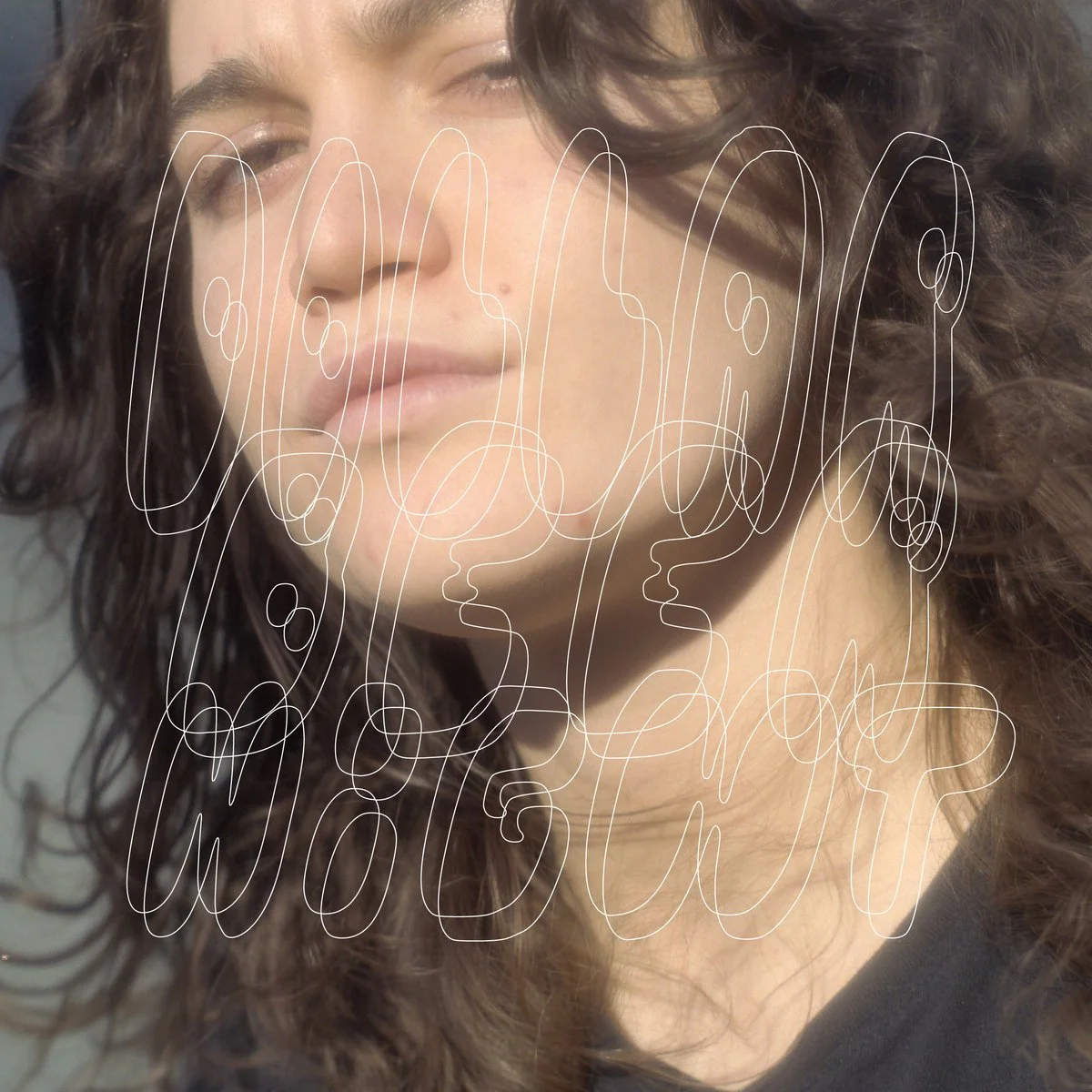
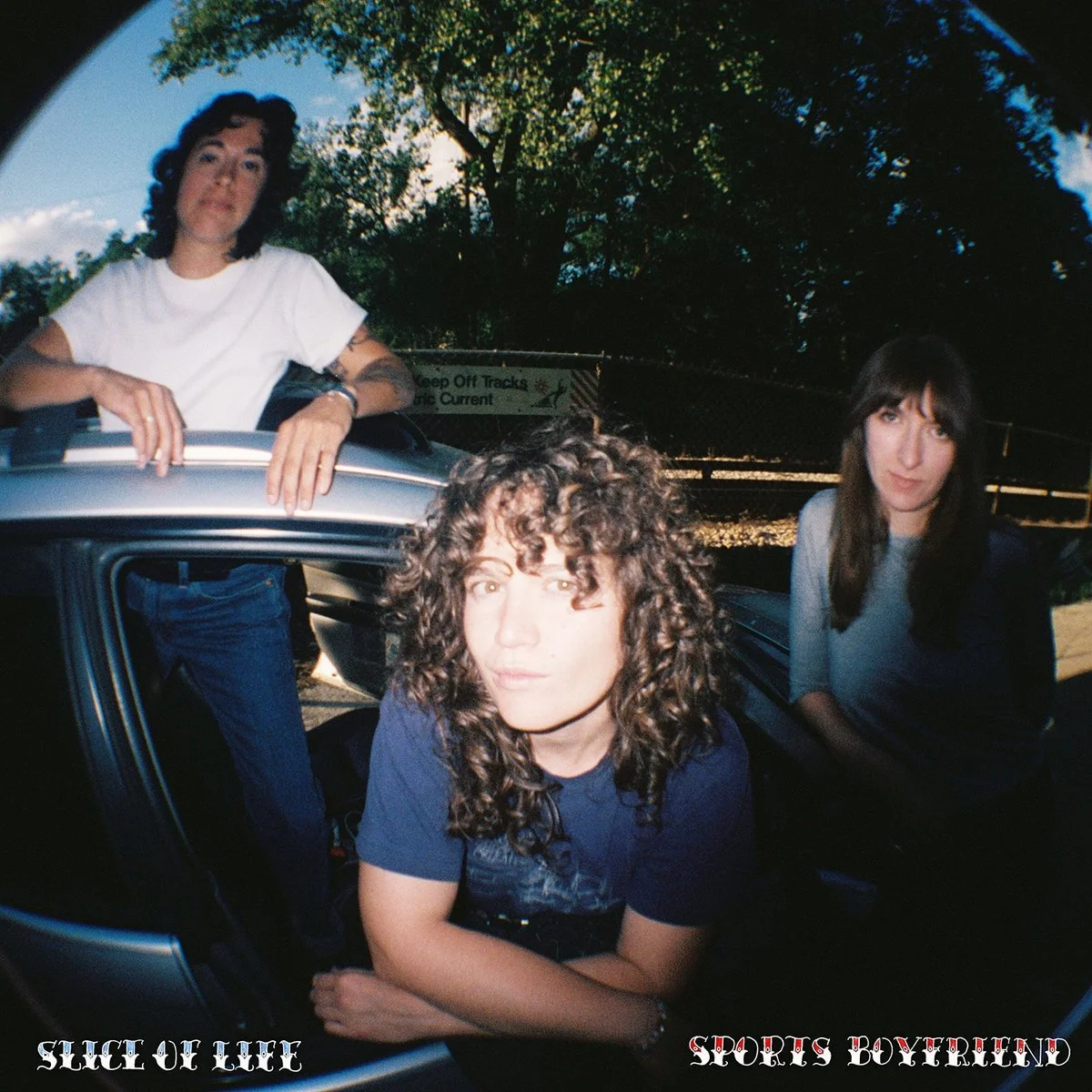
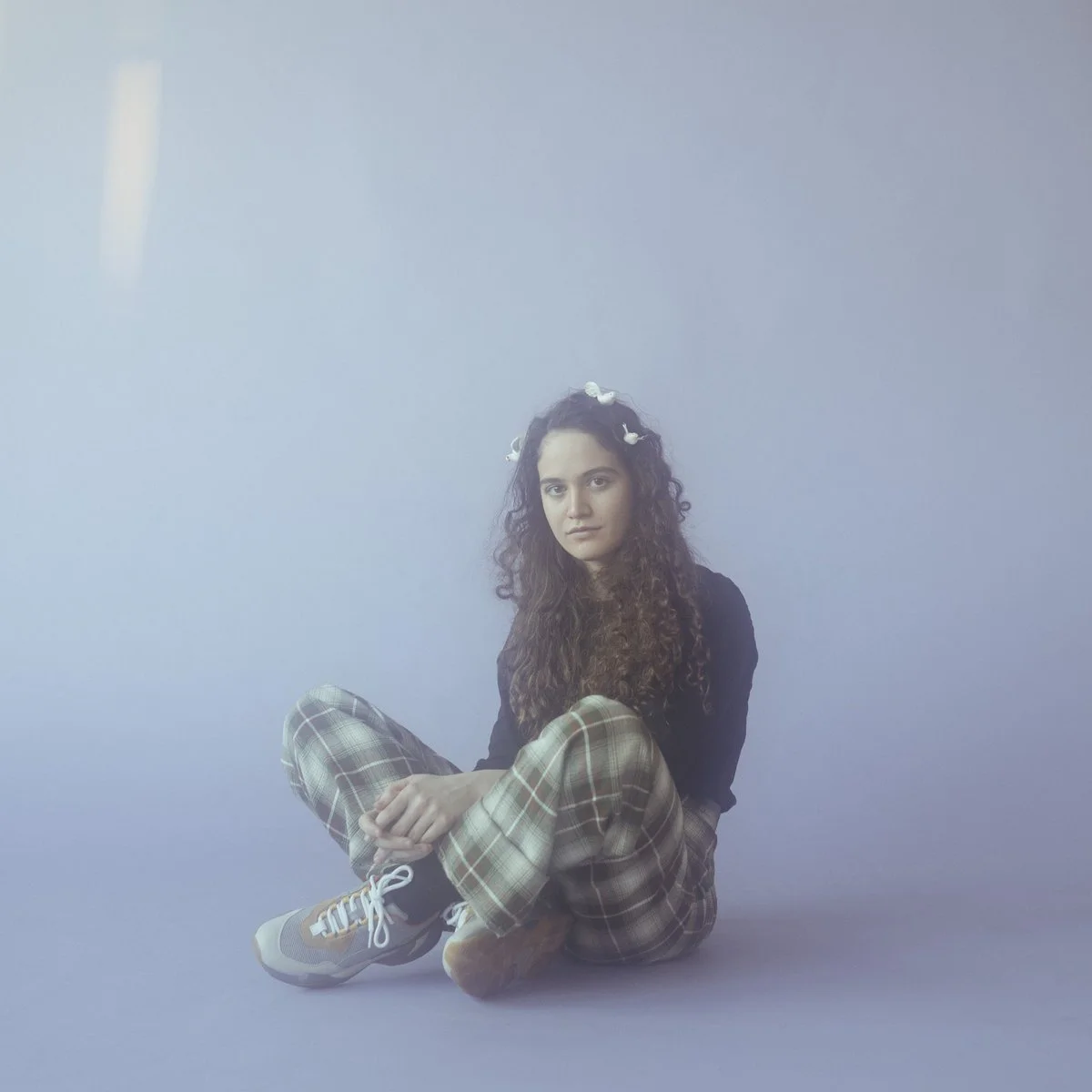
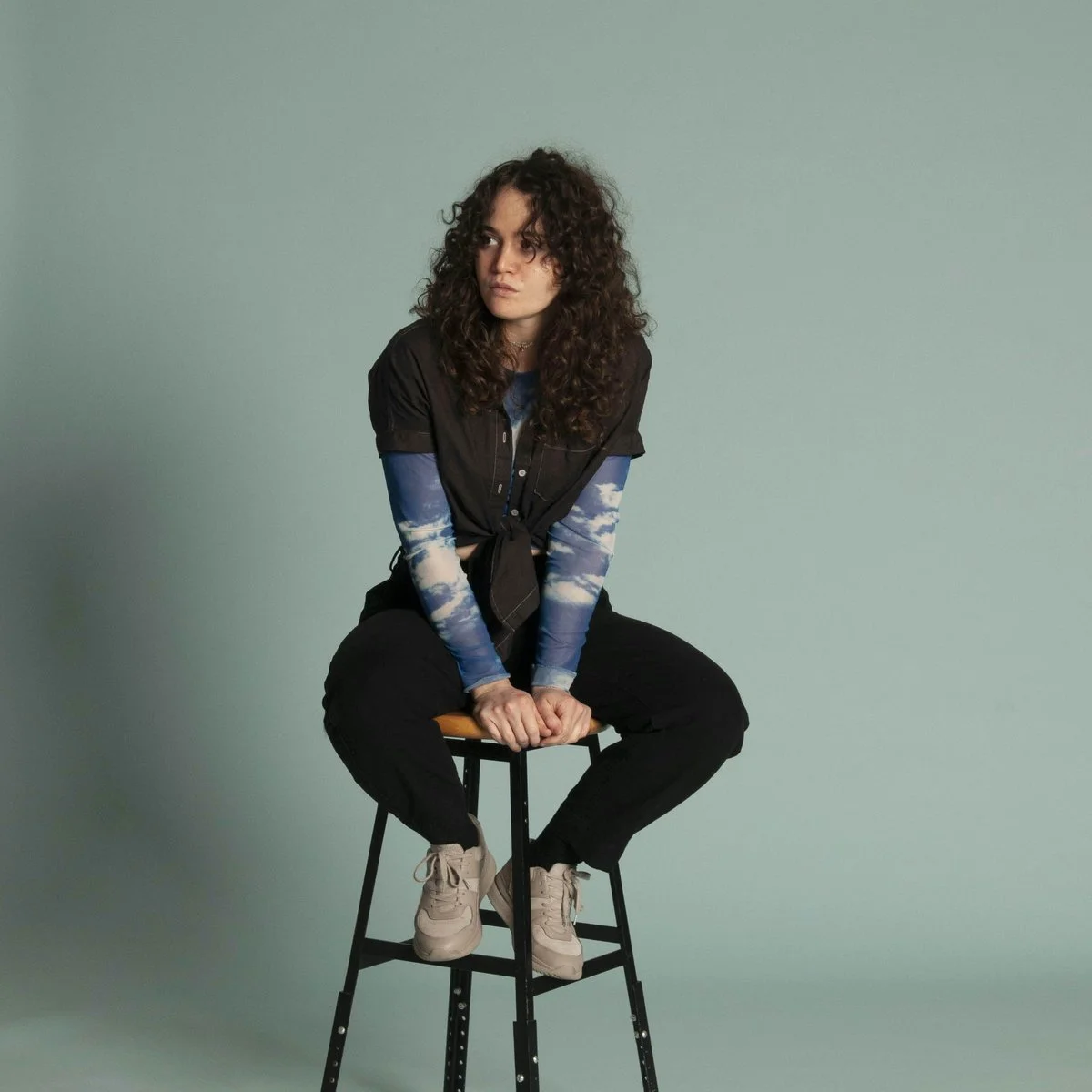
LIVE from Empty Bottle HQ: Sports Boyfriend mastermind and all around great human, EILEEN PELTIER chats with MATT CIARLEGLIO about all sports of things.
Conversation recorded & transcribed May 22th, 2026
MATT: How was your day?
EILEEN: Pretty good. I was at work today. I do freelance stuff now. I worked at Fox Shop for seven years in their stores. Then in their corporate office. I was flying all over the place, opening stores and stuff. When they closed I didn't want to commit to a long-term job because like, I got to figure out what's going on. You know? I didn't work for only a couple weeks, I was really lucky that I found some stuff pretty quickly. I basically wrote the whole [new] record in two months. Right after it closed, there was so much space in my brain. It was so hard to come home from work, where it was a very social job where I was kind of having semi- challenging conversations with people all day. Then come home and try to workshop a creative project. It's really hard to do, to be in the right headspace to do that.
MATT: For sure.
EILEEN: Now I do freelance work. Right now I'm actually with this company which ironically does marijuana sales [both laugh]. I don't smoke, but I'm helping them make their stores look nicer because right now they're… fine. But we're working on making them a little more exciting.
MATT: How do you make them look cool?
EILEEN: It’s still very much in the works. We're trying to bring in art from local artists, do some walls with posters and frames and stuff. Instead of having everything be white metal. Bring some different textures. Long story short, I was there today, just gabbing about weed sales.
MATT: Sick.
EILEEN: I kind of like being around that vibe, even though I don't smoke. It's nice and relaxed versus super corporate.
MATT: I'm not a weed smoker either. At least not any more. I get scared.
EILEEN: That's what happens to me too. Trust me, y'all don't want me to. I would be in my house, like ‘That thing I did today was so hateable. I'm disgusting.’ [both laugh]
MATT: I'd be under a blanket thinking my heart stopped beating but I'm somehow still alive. I like the idea of weed. Getting high sounds cool. I think that there's some people who find a medical benefit from it as well.
EILEEN: There's definitely a harm reduction element to it, too. There's people that maybe it's not helping them get what they want done, but if it's a choice between that and a lot of other things, it's a lot harder to mess your life up by chilling and smoking weed in your house then almost everything else. It's also kind of nice to not be in an industry that's not really struggling. Although, I have some weird conversations about AI at work. I'm like, don't talk to me about this. Please. [both laugh] But there's less anxiousness than when I was in tech-y funded spaces. It’s been nice to just be a contractor and feel less in the weeds with stuff. You know, I'm sure you've had moments in your life where you really throw yourself into work. Like, I love doing this but does it have to be everything I think about? Probably not.
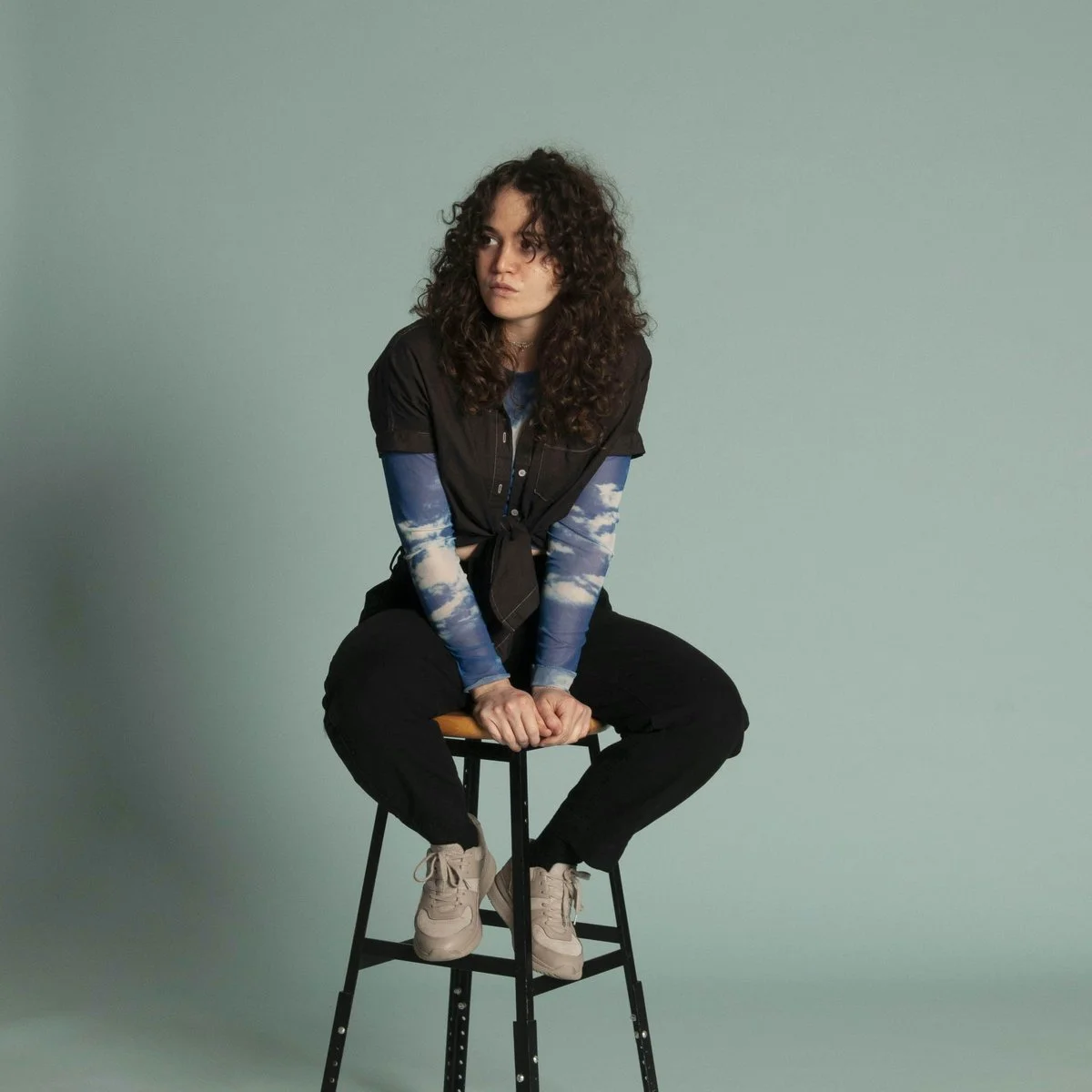
“A lot of this record is about accepting things the way they
arE
and trying to love them anyway."
- EILEEN PELTIER
MATT: Oh yeah. It's a delicate balance for sure.
EILEEN: It's very interesting. Like, when all of a sudden you're like, wait, rent is insane. I can't keep living off $1,200 a month. There's so many levels to this too, looking back to pre-pandemic levels of rent.
MATT: It's insane.
EILEEN: Maybe it's time dilution or something where 10 years go by and of course everything goes up. But $1000!? It's insane. You could leave the house with $20 and be like, ‘Hell yeah I'm going out the whole night!’ . It's funny, I was working at a smoothie place out of college and my shift was from 2pm to 10pm every day. When I’m done I would go to the Empty Bottle or whatever with $20 in my pocket and I'm like, ‘Hell Yeah.’
MATT: I know! Supposedly the next generation of folks are drinking less. There are many factors like social media, lifestyle trends, harm awareness, mental health, fucking whatever, but a huge part of it is probably just accessibility to money.
EILEEN: Of course. People are making $2 more than they were 10 years ago but drinks are $5 more. It's an interesting thing to think about, how far $20 goes. Everything is so expensive now.
MATT: Yeah. It sucks.
EILEEN: I feel bad for the people that are 21 right now. Because, you know, it's good to be living a healthier lifestyle but I think it's hard to build a community at that age. The people I met during that time are still very important to me. It's in a different way now but I don't know if I would have met people in the same way if I wasn't going out. Obviously not drinking is the right choice for a lot of people but that doesn't mean that everybody not drinking anymore is good for the whole community coming together. I think there are a lot of people who can socially drink in a functional way. I've never necessarily looked for a sober-only space for myself.
MATT: I haven't really gone to a sober or dry bar yet. I love that there are people who are enjoying them. I'm comfortable as long as it's not getting pushed on me.
EILEEN: I agree. I stopped drinking in 2020, early 2021 when everything was still closed. In a way, it was much easier for me because I love to go out to shows and have 10 beers, smoke a bunch of cigarettes or whatever, and get home somehow. But when going out was not an option anymore, it very quickly became clear to me that I wasn't making healthy decisions. Especially once it got cold after that first Summer because everything was still closed. The first Spring and Summer was very strange and no one really knew what was going on.
You could sit in someone's backyard with the people that were in your pod. Sit at a picnic table and have 10 beers. But when it got cold again, I started thinking, ‘Okay, I guess I'm going to do this in my house by myself.’ . This now feels like it's not helping me anymore. It was much harder for me to pretend that it was still going well, which I knew it wasn't for at least a year. I thought, ‘I don't think that I'm really in charge of this anymore. Jesus, this cannot be happening.’, you know? It was right at the beginning of the year when I realized I gotta take a break because of the winter and no socializing. I need to eliminate it to see if this makes me feel better because I'm not feeling good right now.
MATT: Did you live alone during the pandemic?
EILEEN: I did. Totally single. I was like, ‘I cannot keep coming back here and drinking alone.’. This is not helping me function at my job, which was very challenging. I can't be hungover every day. I'm not having fun in any way. You really are not having fun when you're cranking beers alone in your house. You get sad, you know?
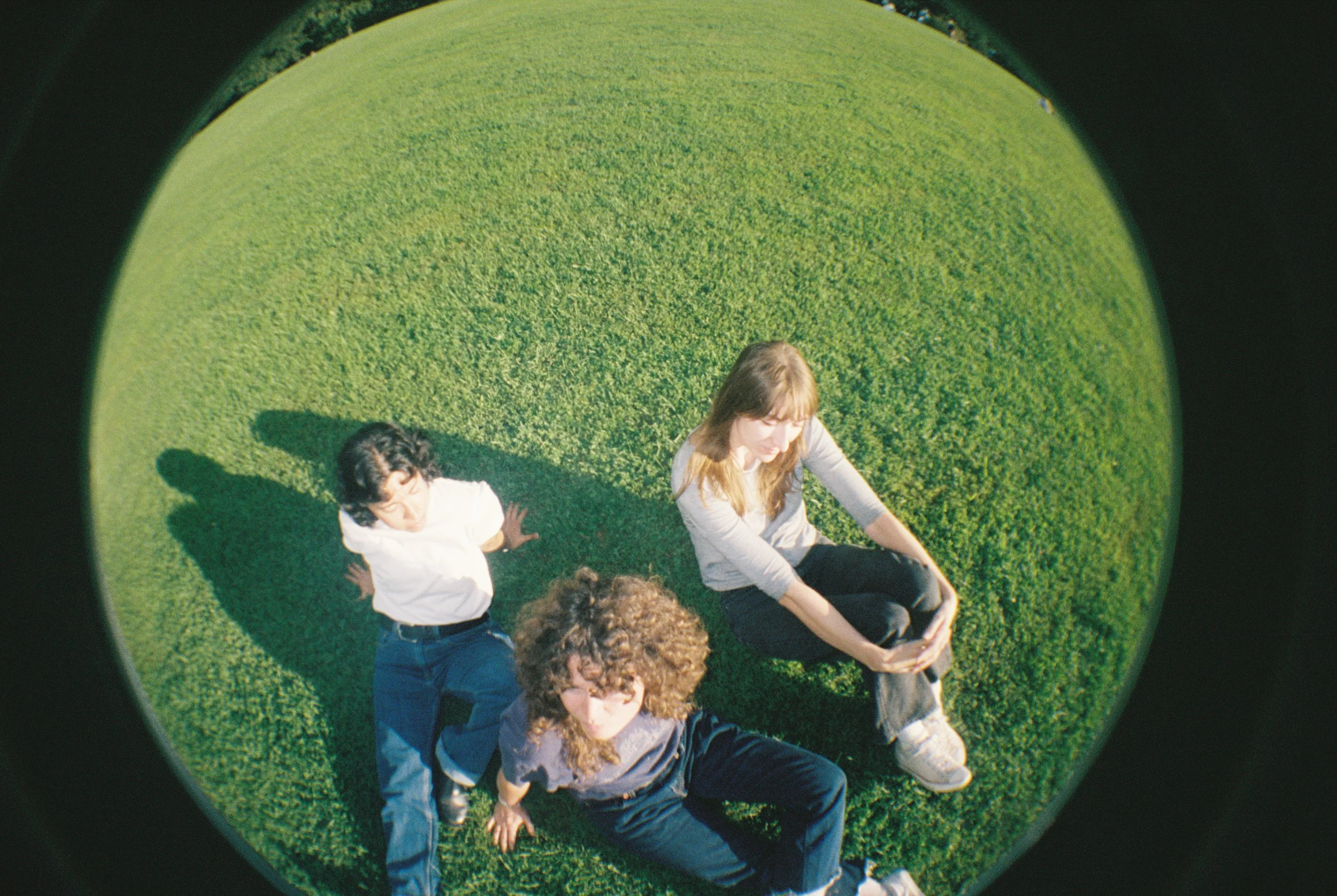
“You don't have to be twisted at the bar every night to still be involved. ”
- EILEEN PELTIER
MATT: For sure. My own sort of progression was pre-pandemic. I had a pretty severe substance use problem already. But early in the pandemic it felt like there was a real possibility that maybe everyone on Earth was going to die. [both laugh]. I remember thinking, ‘I can keep going. The world is falling apart anyway.’ As time went by we had our pods of people, you go outside and there's not a whole lot else to do but drink with your friends and talk about how insane the world is.
EILEEN: Totally.
MATT: Which felt really good at the time. Being back to some semblance of normalcy. And then winter came around and I realized I'm not in control of this situation. I'm not making the decisions anymore.
EILEEN: I would experiment, and I had many times before, with taking breaks but something would happen. I had gotten to this point where I was starting to feel worse and worse, very quickly. I got lucky that everything was closed because it did in some ways make it easier because I'm going to be lonely no matter what. I guess I might as well try to better myself. I had this opportunity whereas if stuff was still open, I don't know if I would have been able to.
By the time things were opening up again, I'd already committed. I got through the really challenging part. Obviously these things will continue to be challenging but the really white-knuckling moments… if it had been a situation in which my normal schedule was still happening I would have probably had to try in a very different way.
MATT: It's interesting you say that about loneliness. I feel that's such a big reason for a lot of people to drink or use drugs, is because of loneliness. Our culture in the U.S. is very centered around drinking alcohol and it being a social lubricant. I have anxiety sometimes and drinking, I thought, 100% helped with that. After going to therapy and whatnot, it has been interesting to learn that part of my own alcoholism, and a lot of other people's for that matter, is that you're trying to fill something within yourself. Fill a hole. A lot of times it's loneliness or a million other things, but whether you’re surrounded by friends or no one's there, you're drinking to fill that hole or fight off that feeling of loneliness.
EILEEN: Totally. Or whatever feeling that may be, though, loneliness is a huge one.
MATT: Props to you for fighting it off because that shit is really hard.
EILEEN: I got lucky in a way, my job ramped up during that moment. After I stopped drinking, maybe a couple weeks later, I moved to DC for two months. DC was even more locked down than Chicago. Now I can pretend that I'm lonely because I'm here for work and not because my life is really fucked up in all these other ways. When I would get home from work I would watch TV and go to sleep and then go back to work. I would work seven days a week. What the fuck else am I going to do here? I didn't know anyone. Everything was closed. This was the double masking era, pre-vaccine. I have all these crazy pictures of me wearing a mask alone in my apartment.
It was the perfect time to do it, because my routines were all changed. I wasn't around any of my normal stuff. Those couple months got me a foothold. So when I came back to Chicago, it was easier for me to say ‘I'm still taking a break.’ to the people around me. Those relationships change really quickly because, at least for me, my really close relationships were very based on having an awesome time drinking around a table together. They were super meaningful but once I took that out, the dynamic changed.
That was a challenging adjustment. Through no fault of anyone, I don't think all these friendships will survive this process because it's a really different dynamic after you stop.
It's been five and a half years, I think. It's one of those things where I still feel I struggle a little. With as wide of a network I felt I had when I was out and about all the time, the social lubricant aspect of that was very helpful to me. As a tool to be able to have really casual connections.
MATT: Especially doing what we do and being in the environments we’re in.
EILEEN: Yes. It made a lot of stuff easier but they were never easy before. It became easier by using this tool that messes everything else up in your life. Also, people got kind of strange in their homes during the pandemic. It seems like people are getting a bit more comfortable and casual with interactions again. But for a while right after lockdown, I could tell that some of y’all had been home. I felt really lucky that I was still working in person with a lot of people sometimes. I was able to maintain a workplace type dynamic with people. But oh man, some people had been home for like a long time [both laugh].
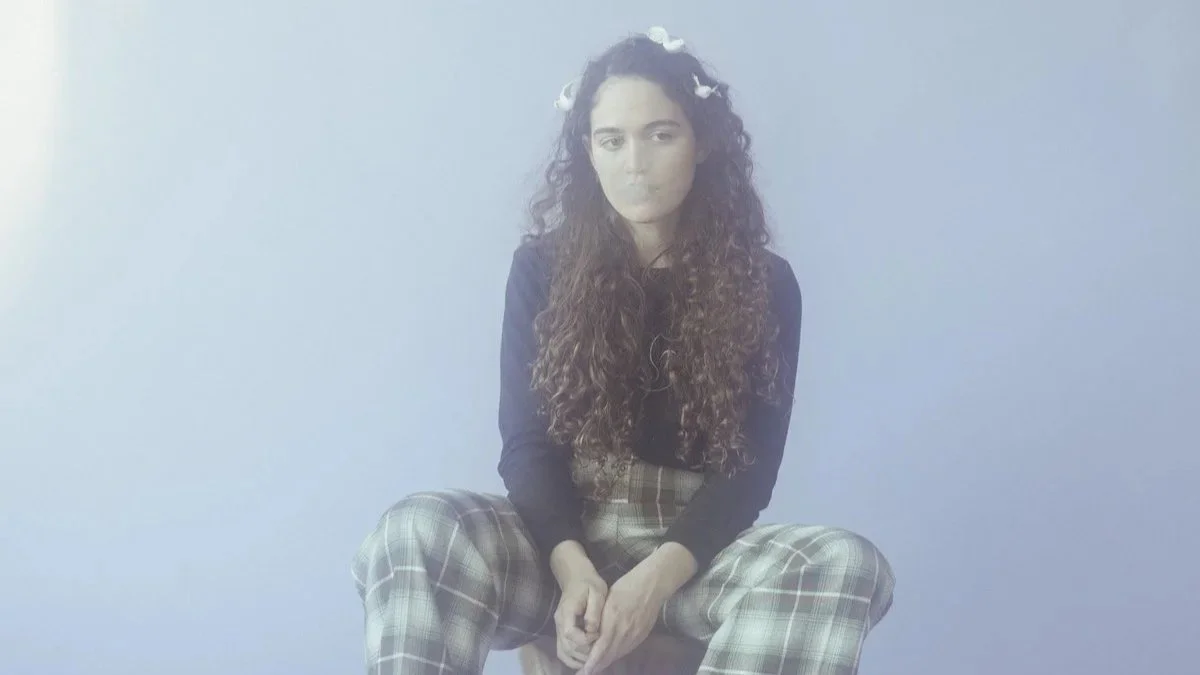
“It's important to be realistic with how people are and human nature is. Sometimes you want to mess something up a little.”
- EILEEN PELTIER
MATT: That shit is wild.
EILEEN: I remember thinking, ‘Is this because I'm not drinking anymore? Because this sucks. I can't do this.’ [both laugh]
MATT: People were super fucking weird, myself included.
EILEEN: Eye contact was crazy. I think people were feeling really emotional about socializing again. Sometimes conversations would get way too personal.
MATT: It's wild living through one of those times that, 100 years from now people are going to be writing about it like a huge social experiment. Everybody thought they were going to die for a couple weeks and then it was just really weird for a year and a half. [both laugh]
Anyway, let's talk about the new record, Slice Of Life.
EILEEN: Yes!
MATT: This is the first release since New American Cuisine in 2022. You've done at least 10 singles and EPs but is this your first full length record, correct?
EILEEN: Yeah, this is our first actual released record, which is exciting but also really scary.
MATT: Congratulations!
EILEEN: Thank you. I made it in such a different way this time. All of my other work was made in my house, by myself, where I’m playing everything or programming everything. It takes so long for me to make stuff like that, because I really enjoy the process but it can also be a little bit tortuous because you can do 500 takes in your house because it's free. If I'm alone with my computer making music, I'm always going to find something that I can change about it.
MATT: Of course.
EILEEN: Which is fun, but also can be bad sometimes. I'm much more adept in Ableton now, so I could get stuff out faster but I don't know if I am loving the product that I'm making right now. So maybe I should take a break from this format because I've been doing that for even longer than the time that we've been a band because I spent a lot of years learning it so let's try something else!
I love electronic music and I love production details but in some of these more live recordings, those details are still there. Life when a little piece of feedback accidentally happens or when the drumfill almost doesn't make it. They're just different. I was really interested in experimenting with that texture. I brought Ashley [Guerrero] and Alex [Lukawski] acoustic songs in the practice space. I was mortified to do it. It felt like being 12 years old. Like, ‘Okay, I'm going to sing my song now.’
It was so fun and really, really painless in almost every way. I am a tough person to work with by myself. Like, what if I'm being annoying to them? But we have played together for so long they really understand what I'm trying to do in this super cool way. They're so awesome because we would always have so much fun practicing and playing our shows. But when you're writing it together, there are such fun moments when you lock in. This is how this song is supposed to work, but you have to play it 20 times and then it finally starts sounding right. You can't figure out why it now sounds right and it didn't before. It was such a different process and way more communal and joyful.
It's funny too, because I feel like so many people now are able to make stuff alone. That's been so big in the past years, people making bedroom pop stuff. I do love a lot of the stuff that I made by myself, but I think I was hitting a little bit of a writer's block with it where I needed some fresh perspectives.
MATT: That's cool because the way that the world and technology is today, there’s so much pressure on a singular person to be capable of doing so much without other people. But music? I love creating music myself but I can never replicate the feeling of playing music and creating music with other people. Some of my favorite creative memories are making something with other people. It's so cool to be able to go into a room with your best buds and say, ‘OK, let's write a song.’
EILEEN: Right? It's a totally different feeling. Way more immediate feedback and more of a joint satisfaction. I want us to feel like a unit versus it's just my work. We've been playing together for so long. This is a good unit. It's not just my work anymore, these personalities are important to the whole feel of it.
MATT: Did you see changes in the structures of your acoustic songs when bringing them in to the rest of the band?
EILEEN: It was more certain things. The drums can be so much more dynamic when it’s a real drummer who actually knows what they're doing with a drum kit. We're working off the same palette as these other songs.
MATT: The new record has a little bit more Americana. Am I losing my mind?
EILEEN: Yeah. No.
MATT: There are layers, similar to what you're doing in your previous work, but in Slice of Life the layers are less in the front, it's painted subtly in the back.
EILEEN: I also felt like I had to get a little tighter with the songwriting because there's less ear candy stuff happening. So, I'm going to experiment more with the chord changes. In very practical terms, I do not know how to play the piano that well. Writing on the piano is not super intuitive to me. But when you're working on the computer, you are usually using a Midi role on a keyboard. But with guitar, I've been playing that for 20 plus years so it's much more fluid. I could write the songs with more incisiveness.
I also had this tendency to really round out all the sounds in a lot of the older stuff because when you're listening to things on your headphones really loud, it can be abrasive. So you're like, ‘let me just smooth all these little things out.’ but we recorded really quickly with Doug [Malone] at Jamdek. Doug's the best.
When I came in [the studio] I said, ‘Doug, I'm really nervous about recording in the studio because I'm so used to this other whole process’. I sent him a ton of reference material. My goal is to kind of have things sounding like this. I want to record as close to live as possible because I'm trying to capture the spirit of these songs, not necessarily have them be perfect. We didn't use a click and we tracked guitar, vocals, bass, and drums live together. I did go back, you know, overdub some guitar or swap out some vocal takes or whatever, but for the most part, they are super close to live.
MATT: It sounds fantastic.
EILEEN: I really like the way that it turned out. It's so different than doing it all in your house. When you work alone, sometimes you start to change stuff so it's different because you play it 6,000 times. We only recorded for three days because this shouldn't take us longer.
MATT: A little time limit kind of helps keep people focused. What’s the title [Slice of Life] all about?
EILEEN: I had come up with the title a couple of years ago because my songs are written about quick little snippets of things that happen. It's not necessarily stuff that I relate to in perpetuity. It's little moments of something happening in your life and you need to distract yourself. You kind of float off. That's what a lot of my music is about. It's kind of a fantasy, a little bit. In reality many things are very challenging and complicated. That's how it goes. But sometimes in your life, you need to think that this one thing would solve all of your problems and live there for a second.
MATT: I think slice of life is a great way to insinuate fantasy. Like, here’s a specific frame of one's life, whether it's a song or a scenario. The record evokes that as you're listening through it. Little tidbits of things that have happened.
EILEEN: Totally. That's my goal. There's many reasons people make music. But for me, it is about connection. I want people to hear it and think about their own things. It doesn't matter that they don't know the exact people or scenarios that these songs were about. Everyone has kind of experienced these types of things.
There's many universal human emotional experiences and I think that is fun to play around in. Whittle the language down so there was more room for interpretation. I love aphorisms. I love sayings because I think I've really enjoyed my life as stuff started to make sense. Whereas when I was a child, they were just collections of words, but now they are actually true.
MATT: The first single, Crystal ball. Great song. Can you tell me what it’s about?
EILEEN: That song was fun for me because I was trying to write about this particular scenario. I've had many very long periods of my life in which I've been sort of a conspicuously single individual in my group of friends. I think sometimes when you're witnessing all these relationships, you see ones that are maybe struggling a little. Maybe they'll be figured out and maybe they won't. I think when you maybe are not doing super great in your life, you look at them and you say, ‘I could really mess that up.’
[both laugh]
That's where that one came from. But I'm not really that kind of person, so I'm not going to do that. I think those are such funny little moments you have with yourself. It's important to be realistic with how people are and human nature is. Sometimes you want to mess something up a little. But, like, I wouldn’t do that. You know?
That's where that song came from. Those moments where you feel like you really have this special connection with a person who's already occupied or spoken for. But you have to remember, it's never really worth doing. But there is a really fun little moment in which you can entertain that for one second. I think people get really stressed about those kinds of things. But hey, as long as you're on good behavior, it's okay to like, think about it for one second.
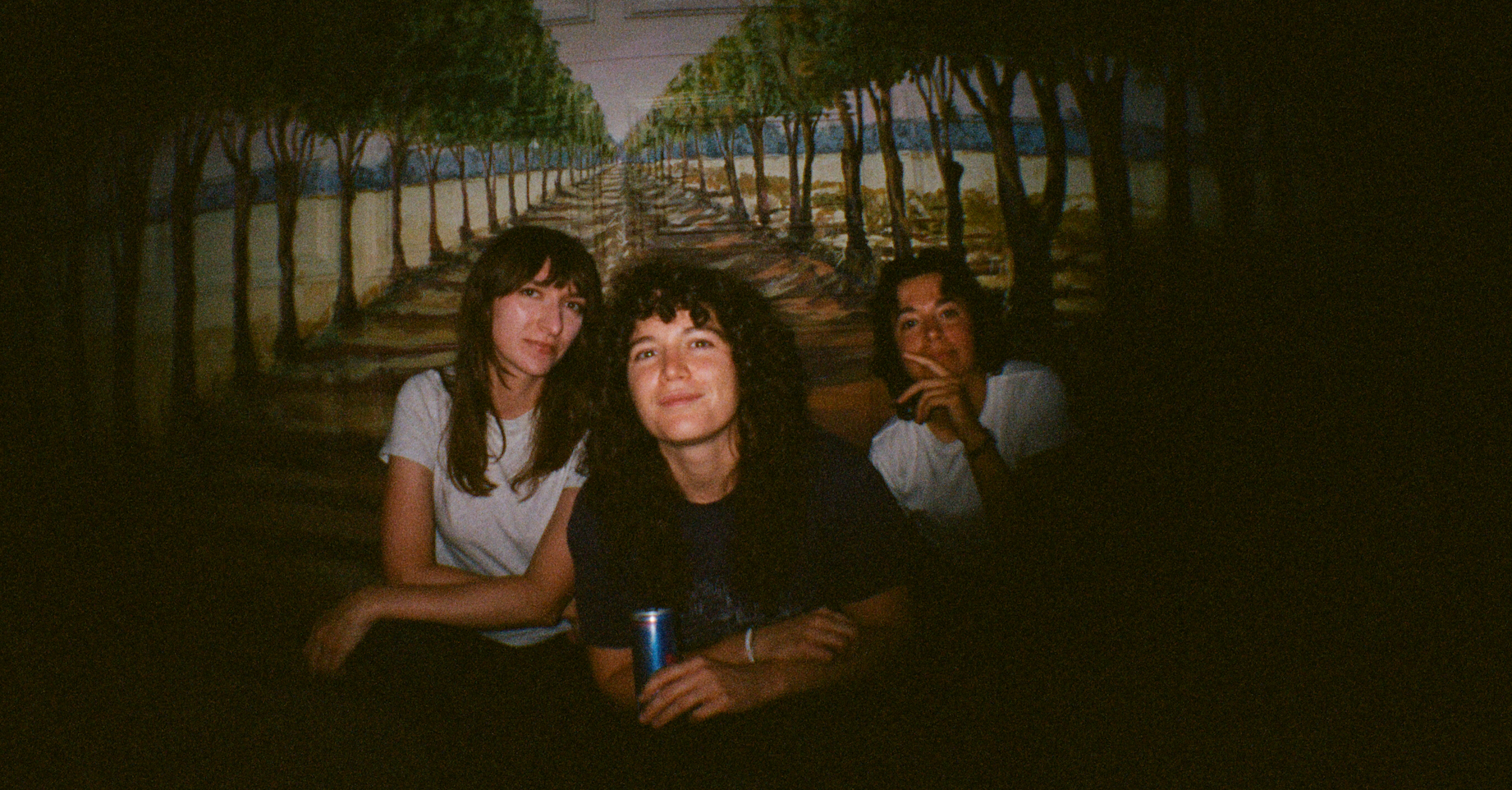
“When you're having infinite beers, many places feel like a magical place.'“
-Eileen Peltier
MATT: It’s what we do with the feelings that we think we have. I think. Right?
EILEEN: Exactly. It's about what actions you end up taking. But I think it's fun and important to be willing to accept that you're not a perfect person with perfect motivations. I've always thought it was pretty healthy to be able to cast yourself as a little bit of a villain sometimes. Because sometimes you are in a position in which you could mess stuff up.
MATT: Sometimes being a villain is kind of fun. Have you ever gotten your palm red or your fortune told?
EILEEN: No, I actually haven't because I'm afraid of what it would say. But I think it would be fun. I am also one of those people who may want something at that moment but might not be right. I feel like this is an important element of sobriety. Just because something feels like it's a good idea, does not mean that it’s true. I think learning to corral those instincts is important as you develop as a person because, due to many different factors, your instincts develop in a little bit of a funky way and you really feel like going towards something that might not be good.
MATT: Right. Life is challenging for everybody and if we get what we want all the time, it may not always be good. Going back to sobriety and drinking, It'll make you feel better for a couple minutes but it's not really going to help. It'll make you feel better for however long the high lasts.
EILEEN: Totally. It doesn't address any of the initial things about it all. A lot of this record is about accepting things the way they are and trying to love them anyway. This relationship or dynamic didn't work out forever, but I can still hold a positive feeling about it. I no longer want it to be different than the way that it is. Pushing that stuff to the side doesn't ever get you to a place of acceptance. But wading into that and trying to sit there for a little while, it helps.
MATT: I'm a big fan of therapy in general. Learning how to sit while being uncomfortable has been interesting. Accepting that maybe you're a little depressed, and that's okay. Sit with feeling sad for a little while instead of pushing it away. Depression, anger, sadness, whatever, sit with it and try to understand it and have a little bit of grace. There's nothing wrong with that.
EILEEN: Exactly. Another amazing aphorism that I like – ‘The only way out is through.’ Like before, these are just words. But then when you really get through a hard time you're like, well, that really was the only way through.
MATT: It was interesting going back and looking into the last 10 years of Sports Boyfriends shows. I remember when y'all started playing here and seeing you around more, I think it was like 2015?
EILEEN: Yeah.
MATT: I think one of the first shows you played was with YELLE in 2017.
EILEEN: Oh my God, yeah. That was so fun. My computer fell off the stage.
MATT: Oh, no! I don't remember that.
EILEEN: Good. I do. It fell off the table it was on.
MATT: While you were playing?
EILEEN: While we were playing. Everything stopped. In the microphone I said, ‘If I open the computer and it doesn't start playing again, we’re done. If I open it and it starts playing again we have to forget that this ever happened.’ And it started playing again.
MATT: Oh man, that's great.
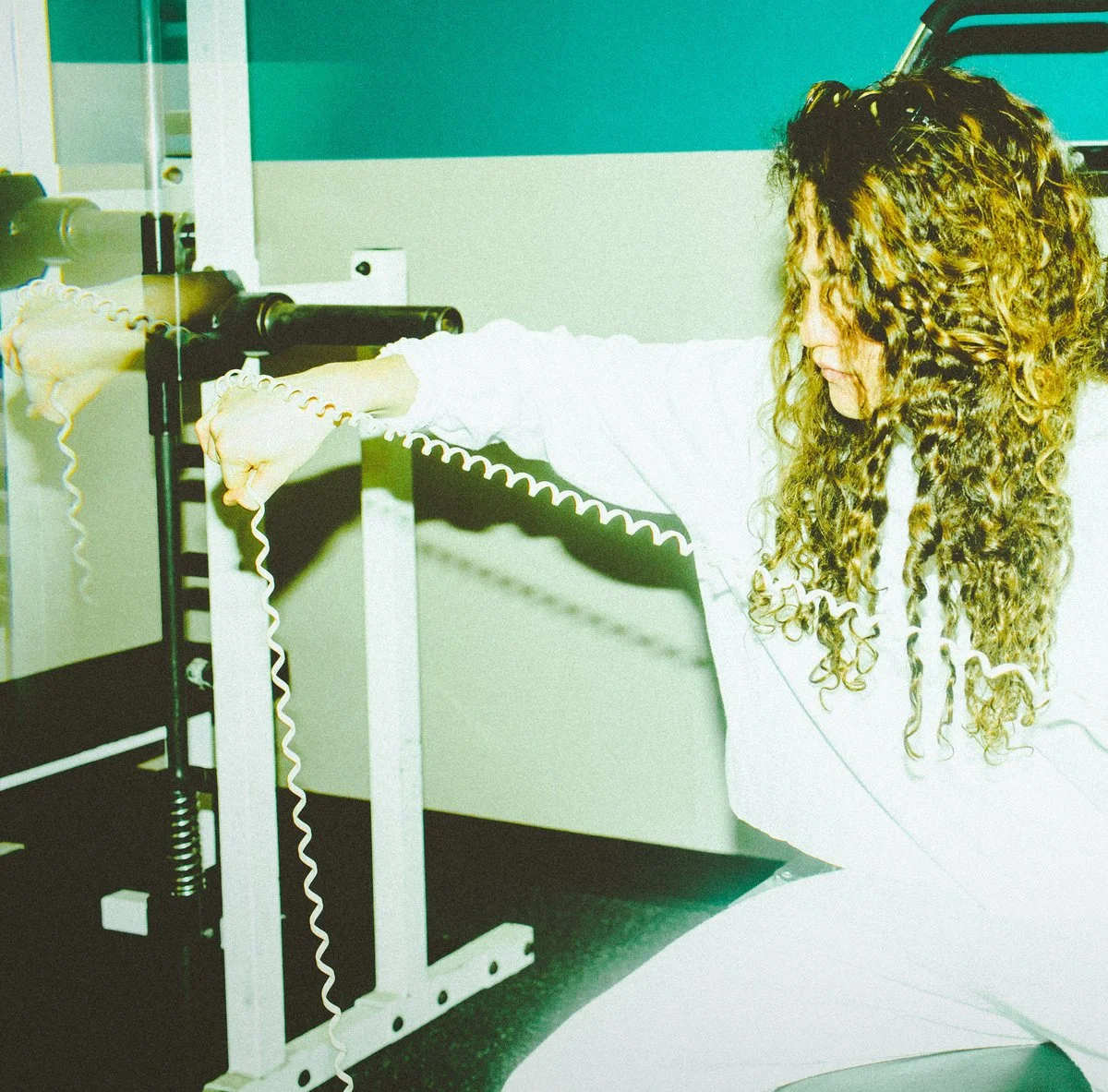
“ You can still be social
and connected and cool
and
stay on top of what's going on.”
-Eileen peltier
EILEEN: A decade of shows at the Bottle. It's fun.
MATT: It's cool that it's culminating into your first record release show. That's huge!
EILEEN: There's such a fun spirit at the Bottle. When I first started coming here a lot, it felt like being in a little TV show or a little movie or something. You'd go into the bathroom and the music is so loud outside and you're like looking at the little piece of you in the mirror that’s not covered in stickers.
That kind of stuff is so important in life. Having those things that feel different than the drudgery of whatever you have to do every day. It's kept that vibe for me even after not drinking anymore. Because you know, a lot of places feel that way. When you're having infinite beers, many places feel like a magical place. But it's really kept that. We're super excited to have this happen here.
MATT: Yes, me too. Speaking of infinite beers, is there anything else you want to touch on with sobriety?
EILEEN: I read a lot of books about people who were struggling with drinking and I found that was very helpful for me to get through the stages. These people are telling me stories very similar to mine, which means that they made a decision to not be doing this anymore, and so should I. Reading and listening to recovery podcasts. I did a lot of that before I even started entertaining the idea of not drinking anymore. When I look back it's very obvious to me that I wanted to make an adjustment.
Sometimes at the beginning, being in person with others can be really intimidating to people. But I think there's still such an important element of listening to other people's stories about it. Whether it's through a book or the ‘Stop Drinking’ Reddit, which is a super supportive place on the internet. People are really positive and realistic there. People will post things like, ‘You know what's going to happen if you try to moderate again.’ Seeing other people's articulation of their feelings through that process was helpful to me. I learned to relax around it and at the same time hold myself accountable. I think it was also important to see the ends of some of those stories of people. I don't want to get all the way to this point. There are a lot of opportunities I think that I squandered when I was struggling more with that stuff, but I'm glad that I was lucky enough to be able to start over in some ways. I got a lot of exciting things back.
MATT: That's so awesome. I read a lot of literature too. When you're doing something like quitting, or any big life change for that matter, it can feel very isolating. Having people's stories, even a random stranger's to relate to, was very impactful for me, and still is. I just read Carrie Fisher's book [Wishful Drinking].
EILEEN: Oh, yeah, that one is so good.
MATT: Other people's stories help me realize that this is a very human thing that people go through. I'm not the only one.
EILEEN: It's super helpful. And seeing the types of people that are experiencing this that I wouldn't have thought of. I remember something that I listened to and still listen to a lot, is this podcast called How Long Gone? It's these two guys and they're just kind of cool bro guys. But one of them is sober.
I remember when I started listening to them I thought, ‘This cool guy that has this sweet job and is involved with all these cool people made this decision and it didn't end his life?! Cool!’ You can still be social and connected and cool and stay on top of what's going on.
MATT: You don't have to move to the farm.
EILEEN: You don't have to be twisted at the bar every night to still be involved. That was something I was nervous about, like, can I still participate in this at all? Will anybody want me there if I'm not totally hammered?
MATT: I’m very proud of you.
EILEEN: I'm proud of you too. It's been so beneficial for me in every possible way.
MATT: Sometimes I wish I had done it earlier just to have more time. Which is unfair because a lot of my 20s was spent drinking and having fun and doing all this wild shit. It wasn't all terrible. I wish that I had known that there's a whole lot more time to do equally fun things, you know?
EILEEN: I wish that I had understood at the time that you're gonna have to lock in and figure some of this stuff out ‘cause it's not gonna just happen. When you're in your mid 20s you think everything is going to happen that you want to happen. Then all of a sudden you're like, wait, if I don't figure this out, it's not going to be happening. It's not going to just fall into my lap.
MATT: Yeah, it's hard to put in as much effort when you're kind of fucked up all the time.
EILEEN: Totally. It's impossible. You just don't. But yeah, it's amazing. I have so much time now. I can get so much done. I learned how to swim laps and shit. I never, ever, would have done that!
MATT: That rules. Thank you so much. It's been wonderful talking.
EILEEN: Thank you!
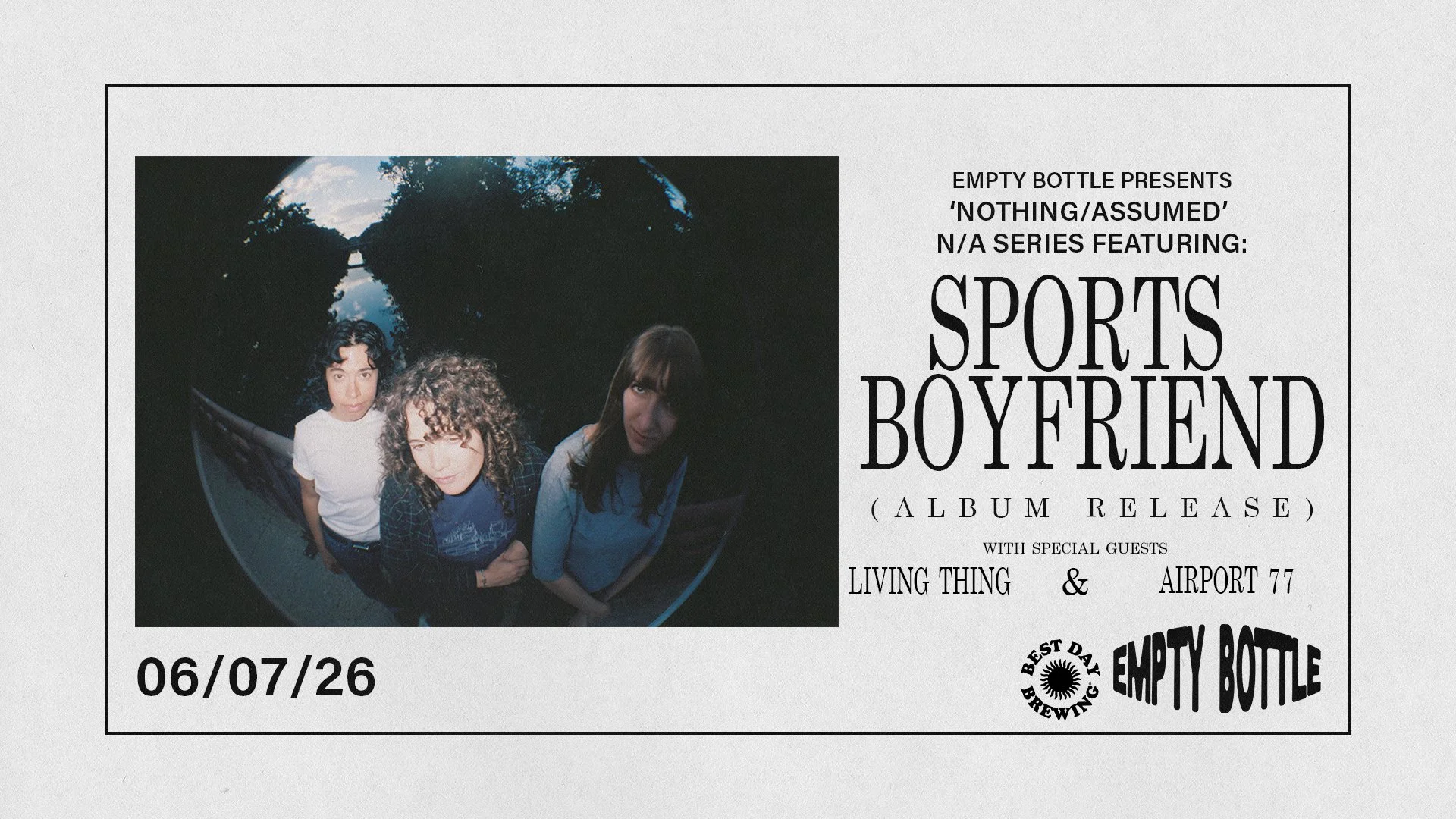
see you at the show :-)